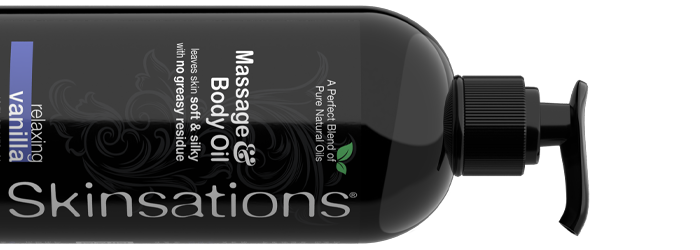
If you have sensitive skin, choosing the right massage oil matters more than you might think. While massage oils are designed to nourish the skin and enhance relaxation, certain ingredients can trigger redness, irritation, clogged pores, or allergic reactions for people with reactive skin.
The good news is that many natural oils are naturally gentle and well-tolerated. When chosen carefully, a high-quality massage oil can hydrate the skin, improve glide during massage, and support a calming wellness routine without causing discomfort.
So which massage oil is best for sensitive skin?
In this guide, we’ll explore the oils that are most commonly recommended for sensitive skin, which ingredients to avoid, and how to choose a massage oil that delivers relaxation without irritation. Whether you’re enjoying a professional massage or creating a relaxing at-home ritual, selecting the right oil can make the experience far more enjoyable for your skin.
.
Understanding Sensitive Skin
Sensitive skin is more than just a catchphrase; it’s a legitimate skin condition that affects countless individuals. Characterized by heightened reactivity to external factors such as weather, cosmetics, and skincare products, sensitive skin can lead to redness, itching, and discomfort.
When selecting a massage oil for sensitive skin, it’s crucial to choose formulations that are gentle, hypoallergenic, and free from potential irritants.
The Comedogenic Conundrum
Before delving into the specifics of suitable massage oils, let’s unravel the mystery of comedogenicity.
Comedogenic refers to a substance’s tendency to clog pores and cause blackheads or acne. Oils with high comedogenic ratings are more likely to trigger breakouts in sensitive skin.
To prevent such occurrences, it’s wise to avoid oils rich in oleic acid, such as coconut oil and cocoa butter, which can exacerbate skin conditions.
It’s also important to use oils that are all natural, as synthetic chemicals can cause the skin to react. Natural is always better, both for you and the environment!
What Makes a Massage Oil Suitable for Sensitive Skin?
Not all massage oils are created with sensitive skin in mind. Some products include fragrances, synthetic additives, or heavy oils that may clog pores or cause irritation.
Massage oils that tend to work best for sensitive skin typically share a few key characteristics:
Simple ingredient formulas
The fewer ingredients a massage oil contains, the easier it is to identify potential irritants and avoid reactions.
Lightweight, non-comedogenic oils
Oils that absorb well without clogging pores help maintain the skin’s natural balance.
Minimal or no fragrance
Fragrance is one of the most common causes of skin sensitivity. Unscented or lightly scented natural oils are often the safest option.
Naturally nourishing oils
Many plant oils contain vitamins, antioxidants, and fatty acids that support healthy skin while providing smooth glide during massage.
When these elements are combined thoughtfully, massage oils can help hydrate the skin while keeping irritation to a minimum.
So, which massage oil is best for sensitive skin?
Hypoallergenic massage oils are specially formulated oils designed to minimize the risk of allergic reactions during massages. These oils are typically free from common allergens such as fragrances and synthetic additives that can trigger sensitivities in some individuals.
By prioritizing gentle and non-irritating ingredients, hypoallergenic massage oils provide a safer and more comfortable experience for those with sensitive skin or allergies. They aim to nourish and hydrate the skin while allowing for a soothing and relaxing massage, making them an excellent choice for individuals seeking a wellness treatment that caters to their unique needs.
Below is a description of commonly found hypoallergenic massage body oils:
How to Test a Massage Oil for Sensitive Skin
Even gentle oils can affect individuals differently, which is why a simple patch test is always a good idea before using a new massage oil.
To test a massage oil:
If the skin remains calm and comfortable, the oil is likely safe to use for a full massage.
This quick test can help prevent unwanted reactions and ensures the oil you choose works well with your skin.
Beneficial Essential Oil Additives
When crafting a massage oil blend for sensitive skin, incorporating essential oils can enhance the experience and provide additional therapeutic benefits. However, it’s important to note that essential oils should be diluted before use to prevent skin irritation. Some essential oils that pair well with sensitive skin include:
Conclusion
Navigating the world of massage oils for sensitive skin requires a blend of knowledge and intuition. By understanding the unique needs of sensitive skin, avoiding comedogenic ingredients, and incorporating beneficial essential oils, you can understand which massage oils are best for sensitive skin and create a personalized massage experience that leaves your skin feeling pampered and rejuvenated.
Whether you’re seeking professional treatments or at-home relaxation, the key to a successful massage lies in the careful selection of the perfect massage oil—one that caters to your skin’s needs while enveloping you in a world of tranquility. We break down glide, absorption, and ingredient considerations in our comprehensive guide to what makes a good massage oil. What to Look for in a Good Massage Oil