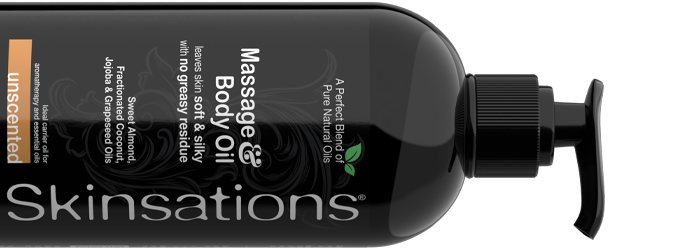
Massage oil is designed for external glide and skin contact. In many cases, it can be used comfortably for intimate massage — but that does not mean every massage oil is appropriate for every situation.
The real questions are:
Let’s clarify where massage oil fits — and where it doesn’t.
The Short Answer
Massage oil is generally safe for external intimate use when:
However, massage oils are not regulated or labeled as medical personal lubricants, and they are not always appropriate for internal use.
Understanding that distinction prevents confusion.
What Massage Oil Is Actually Designed For
Massage oils are formulated to:
They are not created primarily for internal lubrication.
If you’re unsure how massage oils differ from lubricants, see:
Is Massage Oil the Same as Lubricant? Key Differences Explained
That breakdown covers labeling, regulation, and intended use.
When Massage Oil May Be Safe for Intimate Use
Massage oil may be appropriate for intimate settings when:
Many couples use massage oil to transition from relaxation into closer connection. In that context, the oil is serving its intended purpose: skin glide.
For oils specifically chosen for shared experiences, see:
What Is the Best Oil for a Sensual Massage? A Complete Guide for Couples
When Massage Oil Is NOT Recommended
There are situations where massage oil is not the best choice.
1️⃣ With Latex Condoms
Oil degrades latex.
If you are using latex condoms, massage oil should not be used as lubricant.
In that case, choose a water-based lubricant.
For a full breakdown of compatibility, read:
Water-Based vs Oil-Based Lubricants: Pros, Cons & When to Use Each
2️⃣ For Internal Lubrication
Massage oils are not formulated or labeled specifically for internal use. If internal lubrication is the goal, a product marketed as a personal lubricant is more appropriate.
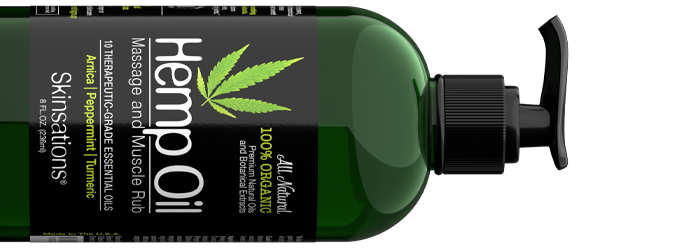
3️⃣ If the Oil Contains Fragrance or Essential Oils
Some massage oils include:
These ingredients may be well tolerated on the back or shoulders — but not always in more sensitive areas.
Ingredient awareness matters.
For guidance on evaluating quality oils, see:
What to Look for in a Good Massage Oil
Ingredient Considerations for Sensitive Skin
If skin sensitivity is a concern, look for:
Avoid:
Lighter oils tend to absorb more cleanly and are less likely to feel occlusive.
Oil vs Water-Based for Intimate Settings
If your decision is between massage oil and a water-based lubricant, here’s the simplified distinction:
Water-Based Lubricant
Oil-Based Products
Neither is universally better. The right choice depends on your situation.
Again, full comparison here:
Water-Based vs Oil-Based Lubricants
Common Concerns
Can massage oil cause infections?
Massage oil itself does not cause infection. However, fragranced or heavily formulated products may irritate some individuals, which can disrupt natural balance.
Can massage oil clog pores?
Some heavier oils can clog pores on certain skin types. Lighter oils like jojoba and fractionated coconut oil are typically less likely to cause issues.
Is “natural” automatically safer?
No. Natural essential oils can still irritate sensitive skin. Simplicity and formulation matter more than labeling language.
When to Choose a Personal Lubricant Instead
Choose a labeled personal lubricant when:
Massage oil excels at external glide and skin nourishment. Lubricants are designed specifically for intimate application.
Using the right product for the right purpose improves comfort — and confidence.
Final Thoughts
Massage oil can be safely incorporated into intimate massage when used appropriately. The key factors are:
Understanding those boundaries helps you choose confidently.
Clarity leads to better experiences — and fewer surprises.