When choosing a personal lubricant, one of the most common questions is:
Is water-based or oil-based lubricant better?
The honest answer?
Neither is universally “better.” They serve different purposes.
Understanding how each type works — and when to use it — helps you choose what fits your needs, comfort level, and situation.
Let’s break it down clearly.
The Short Answer
The right choice depends on the experience you want and any compatibility requirements you have.
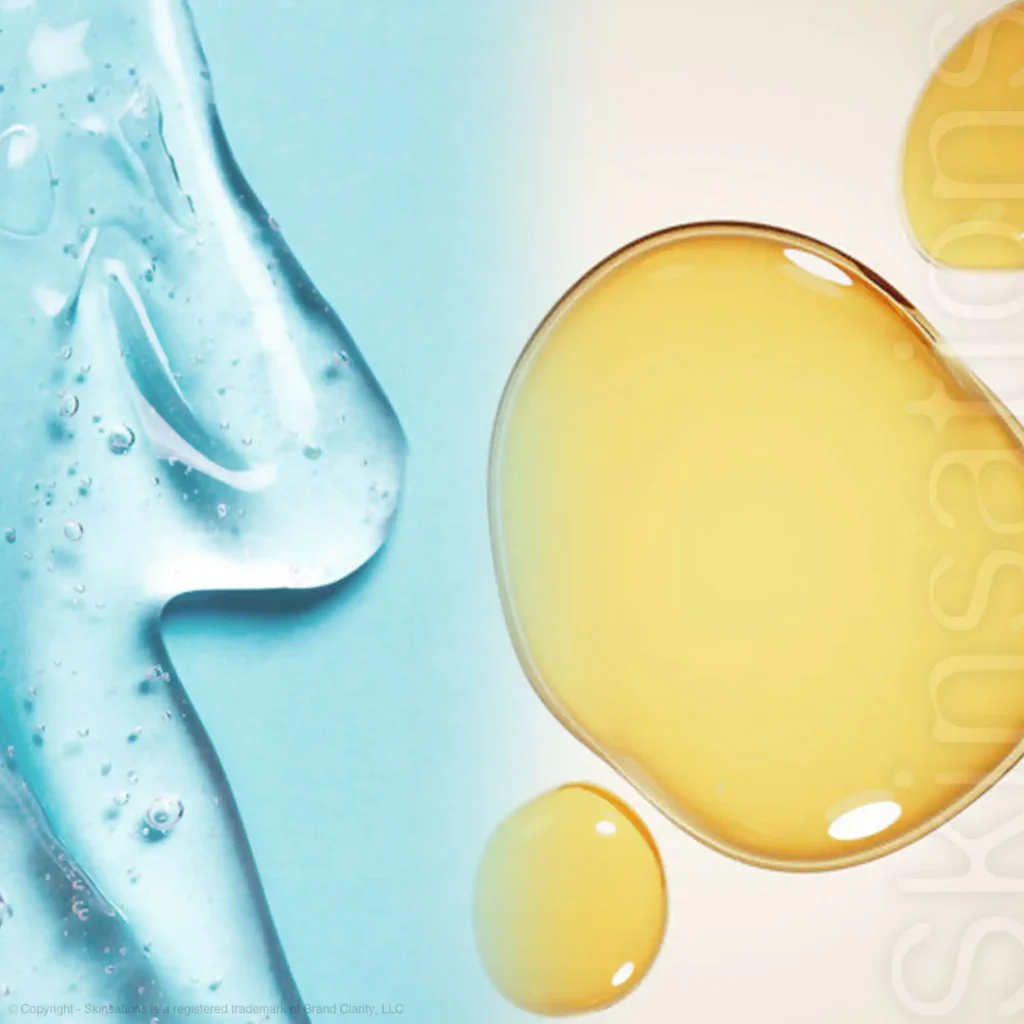
What Is Water-Based Lubricant?
Water-based lubricants are typically made from water combined with humectants (like glycerin or propylene glycol) and thickening agents.
Benefits
Considerations
Because water evaporates, glide may decrease over time — especially during longer sessions.
What Is Oil-Based Lubricant?
Oil-based lubricants are made from plant oils, mineral oils, or synthetic oils.
They do not evaporate like water-based formulas, which allows them to maintain glide longer.
Benefits
Considerations
Oil-based options are often preferred for massage or extended external glide because of their durability and skin feel.
Which One Lasts Longer?
In general, oil-based lubricants last longer than water-based ones.
Water-based formulas may require reapplication during longer sessions. Oil-based products maintain glide because they do not evaporate.
If longevity is a priority, oil-based options typically provide a more sustained experience.
Which Is Better for Sensitive Skin?
This depends more on formulation than base type.
For sensitive skin, look for:
Some people prefer simple, plant-based oils with minimal processing. Others find water-based formulas gentler due to easier cleanup.
Skin compatibility is highly individual.
If you’re comparing oil formulations more closely, our guide on what to look for in a good massage oil explains carrier oils, absorption, and skin feel in detail.
Condom Compatibility: Important to Know
This is one of the biggest practical differences.
If latex protection is part of your plan, water-based is the safer choice.
Can Massage Oil Be Used as a Lubricant?
Massage oils are designed primarily for external skin glide — not as regulated medical lubricants.
Some lightweight plant-based oils provide long-lasting external glide. However, they differ from commercial personal lubricants in formulation and intended use.
If you’re unsure about the difference, our article on massage oil vs lubricant and key differences explained walks through it clearly.
When to Choose Water-Based Lubricant
Water-based may be the better choice if you:
When to Choose Oil-Based Lubricant
Oil-based may be preferable if you:
For those exploring massage-focused experiences, our guide to the best oil for a sensual massage covers texture, scent, and glide differences in more detail.
Final Thoughts
Water-based and oil-based lubricants are tools — not competitors.
The better option depends on:
Understanding these differences allows you to choose confidently and safely.
Comfort should never be guesswork.